

What Collective Giving Actually Builds That Individual Giving Cannot

Collective giving doesn’t just pool dollars. It pools judgment. And pooled judgment across different perspectives, frameworks, and relationships to the communities being served produces a higher evidentiary bar than any individual funder can set alone. That isn’t a process virtue; it is an impact virtue.
I know this from the inside. For nearly two decades I have practiced collective giving in three distinct institutional forms, not as a researcher studying philanthropy from a distance, but as a practitioner making allocation decisions with real dollars and real accountability. My view is built upon community voice and grantmaking, not individual wealth. But I am also the evaluator who was in those rooms and this is where this dual positioning revealed itself.
What the three forms taught me
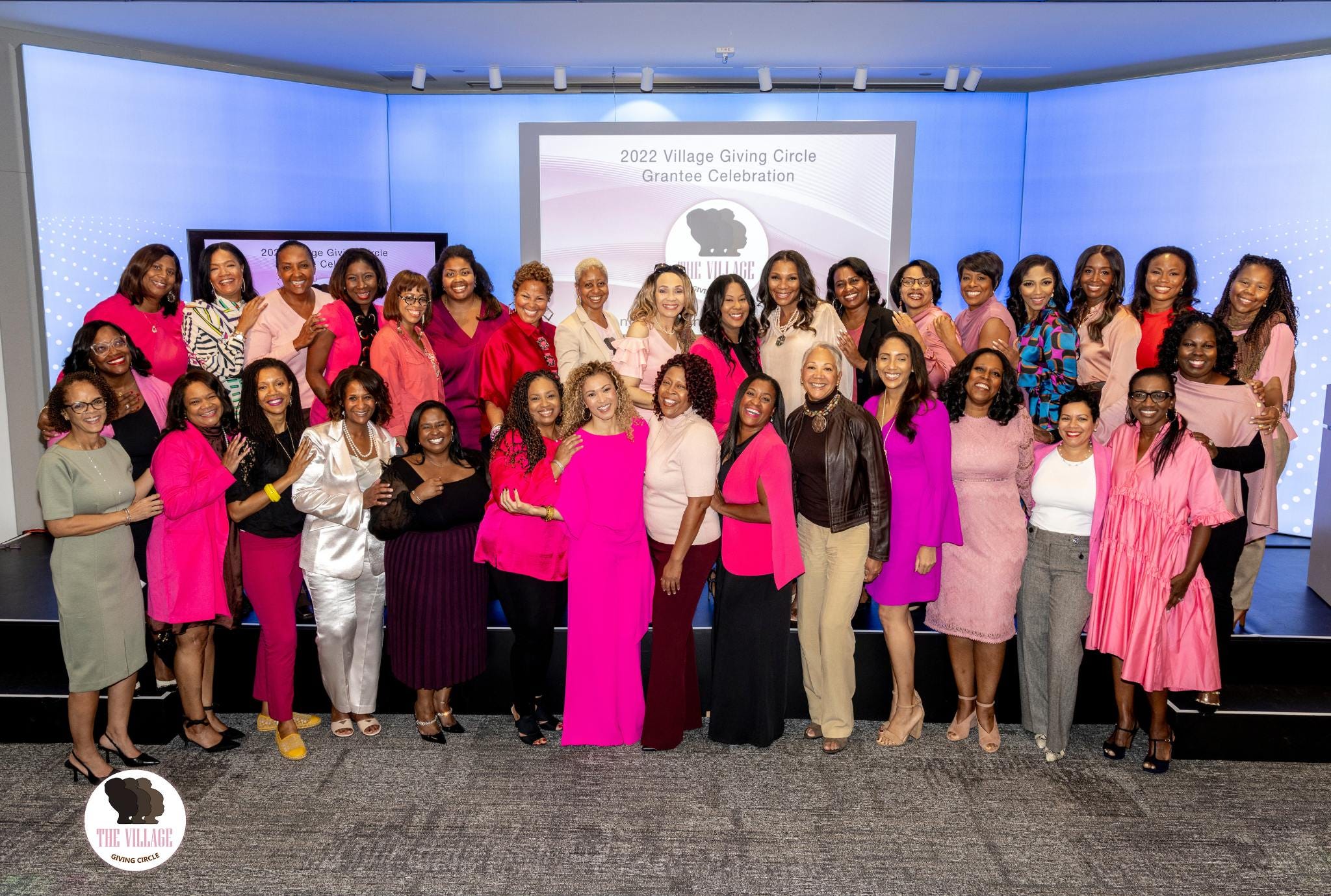
The Village Giving Circle at Communities Foundation of Texas was founded in 2017 by nine Black women who believed that collective resources, directed by people with lived proximity to a community, produce something scattered individual giving cannot. Today, the circle has nearly 70 members and has awarded more than $1.6 million to 50 local nonprofits. As the Former Chair of this circle, I watched what happens when a room full of donors who share both purpose and proximity examine a grant request together. The questions that surface are different. The candor and the standard are different. When you are accountable to peers who share your values and your community, comfortable findings don’t survive the way they do when accountability runs only to yourself.
Rising GENerosity, housed at The Dallas Foundation, is designed not just to pool giving but to cultivate the judgment required to give well over time. Its architecture builds something durable: a generation of philanthropic practitioners in a region who learn alongside each other, whose confidence in where and how to invest compounds collectively rather than in isolation. Serving on its steering committee has shown me what intentional philanthropic formation looks like when it is treated as infrastructure, not left to accumulate by accident. The calendar of site visits, lunch-and-learns, and community engagements isn’t programming. It is the systematic development of philanthropic judgment.
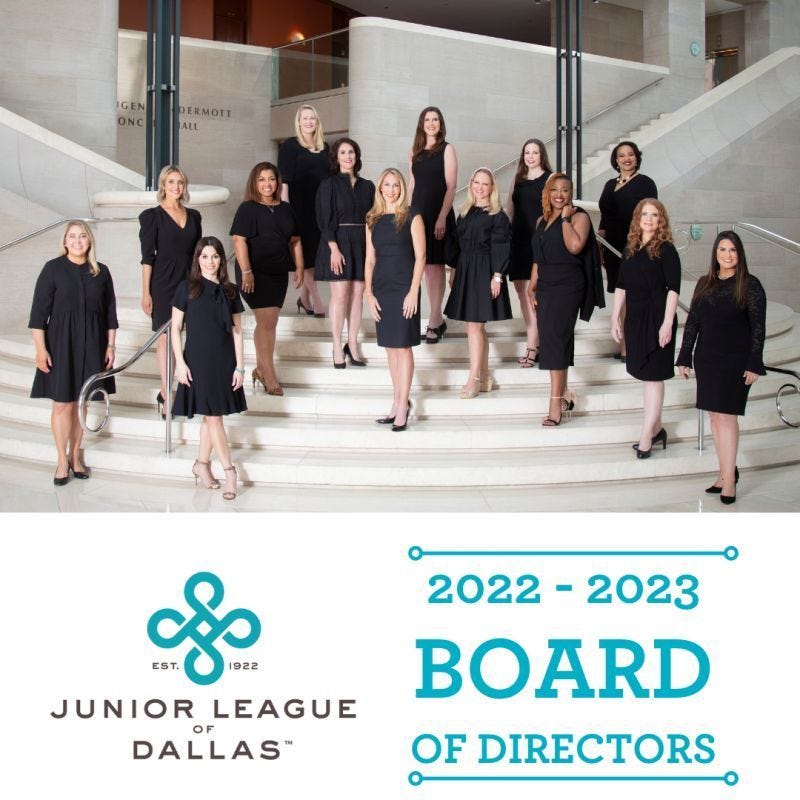
The Junior League represents a third form: collective giving embedded inside a governance structure with fiduciary accountability. I joined as a teacher in Jacksonville, Florida; paused during doctoral study; transferred to the Junior League of Dallas; and have served on the board of both leagues as Finance Vice President. Twenty years. Two cities. Two board roles. The giving is not separated from governance; it is governed. And that distinction matters more than most donors realize until they are sitting inside it.
Each context produces the same structural reality: the evidentiary bar rises when judgment is pooled.
Why the bar is actually higher
When one person gives, their confidence is the standard. The emotional narrative that moves a single donor carries enormous weight in that context. Individual giving is personal. It runs at the speed of one person’s conviction.
Collective giving runs at the speed of shared conviction. That is a different thing entirely.
In a collective deliberation, the emotional narrative has to survive a roomful of people. It has to hold up when someone asks about the data behind the story. It has to answer the question that individual donors rarely ask aloud: Does what this organization does actually produce what it says it produces?
The organizations that navigate collective giving most effectively understand that the evidentiary standard has shifted. The room is asking a coherence question, not just an inspiration question.
The honest tension
Collective giving is slower than individual giving. For urgent community needs, that friction has real costs. Capital that could move in weeks takes months to move. This is not a flaw to fix. It is a structural tradeoff worth naming honestly. The same friction that slows collective giving down is what makes its decisions stronger.
The question for collective giving is not how to eliminate the friction. It’s whether the deliberation is honest enough to let the friction function the way it’s supposed to. Polite consensus is not the same as shared conviction. Collective giving structures that mistake one for the other don’t produce what they are capable of producing.
What it builds that individual giving cannot
Individual giving builds relationships between donors and organizations. Collective giving builds something larger: a community of donors whose confidence in a sector compounds together over time. When the Village Giving Circle awards a grant, 70 women carry that investment forward as advocates, connectors, and informed voices. The grant is not the end of the relationship. It is the beginning of a collective endorsement that individual philanthropy cannot replicate.
This is what I mean when I say that generosity, when intentional and impact-driven, has the power to transform communities. Not generosity as an impulse, not generosity as a transaction, but generosity as a practiced discipline, built collectively, sustained over time, and examined honestly enough to know whether it is producing what it intends. That is what collective giving builds that individual giving cannot.
Rhonda Williams, Ph.D. is an evaluator and philanthropic practitioner examining how capital deploys toward or away from the outcomes it intends to produce.